🦋 Biodiversity & Wildlife Protection

📑 Page Contents
What is Biodiversity?

Biodiversity, short for biological diversity, refers to the incredible variety of life on Earth. It encompasses all living organisms, from the smallest bacteria to the largest mammals, and the complex ecosystems they form, such as forests, oceans, and deserts.
This intricate web of life is what keeps our planet balanced and habitable. Every species, no matter how insignificant it may seem, plays a specific role in maintaining the health of its ecosystem.
Why is it Important?
A diverse ecosystem is a resilient one. Biodiversity provides us with essential "ecosystem services" that we often take for granted:
- Food Security: A diverse range of crops and livestock ensures a stable food supply and protects against pests and diseases. Pollinators like bees and butterflies are vital for many crops.
- Health and Medicine: Many of our most important medicines, including antibiotics and pain relievers, are derived from plants, animals, and microorganisms discovered in nature.
- Climate Regulation: Healthy forests, wetlands, and oceans absorb excess carbon dioxide, helping to stabilise the global climate and mitigate global warming.
- Economic Value: Nature-based tourism and industries reliant on natural resources provide millions of jobs and contribute significantly to the global economy.
Threats to Wildlife
We are currently experiencing a biodiversity crisis, often referred to as the Sixth Mass Extinction. Extinction rates are hundreds to thousands of times higher than the natural background rate.

Habitat Loss: The destruction of natural habitats for agriculture, logging, mining, and urbanisation is the primary driver of biodiversity decline.
Overexploitation: Unsustainable hunting, fishing, and harvesting, along with the illegal wildlife trade, are decimating populations of many species.
Pollution: Chemical runoff from agriculture, plastic waste in oceans, and atmospheric pollutants degrade habitats and poison wildlife.
Climate Change: Rapid changes in temperature and weather patterns are forcing species to migrate or adapt faster than they are able to.
Conservation Efforts
Protecting our planet's wildlife requires coordinated global action and individual commitment:
- Protected Areas: Establishing national parks, wildlife reserves, and marine protected areas provides safe havens for vulnerable species.
- Anti-Poaching Laws: Enforcing strict regulations against the illegal wildlife trade and imposing severe penalties on poachers.
- Community Engagement: Involving local communities in conservation efforts ensures that protecting wildlife also provides sustainable livelihoods.
- Habitat Restoration: Rehabilitating degraded ecosystems to reconnect fragmented habitats and allow species populations to recover.
Key Facts & Figures
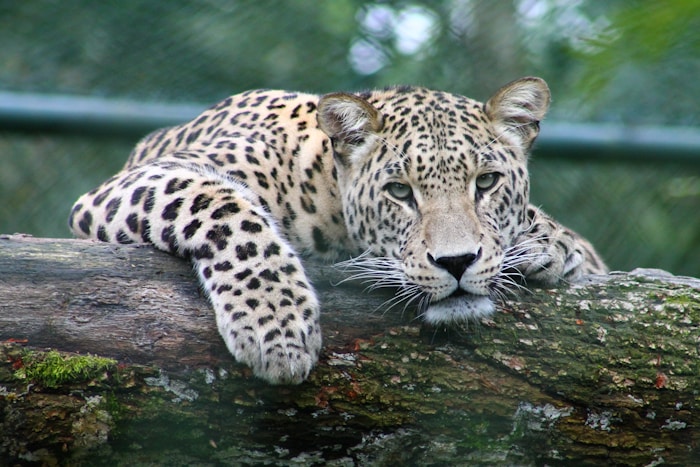
- An estimated 1 million animal and plant species are currently threatened with extinction.
- Since 1970, global populations of mammals, birds, amphibians, reptiles, and fish have declined by 68% on average.
- The illegal wildlife trade is valued between $7 billion and $23 billion annually.
- Approximately 75% of the world's food crops depend at least in part on pollination by insects.
- Only a small fraction of the world's estimated 8.7 million species have been documented and studied by scientists.