🏜️ Desertification & Land Degradation
📑 Page Contents
What is Desertification?
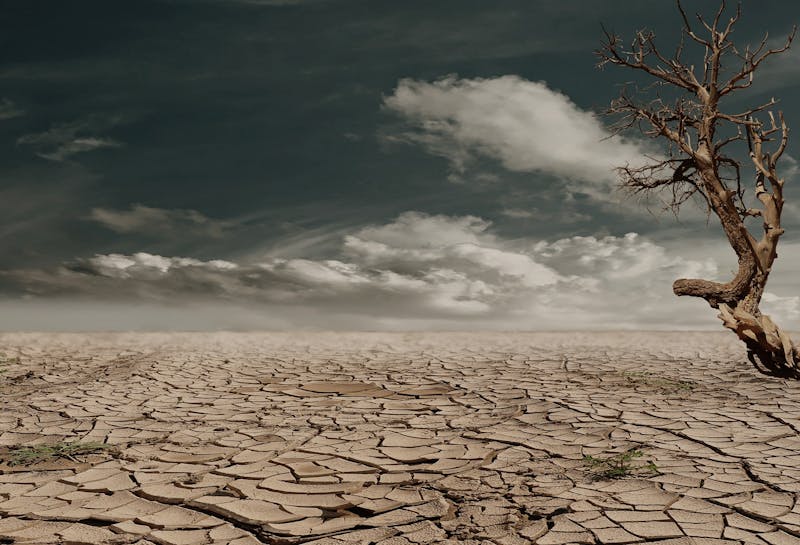
Desertification is the degradation of land in arid, semi-arid, and dry sub-humid areas, collectively known as drylands. It is caused primarily by human activities and climatic variations. Desertification does not mean the expansion of existing deserts; rather, it refers to the process where previously fertile land becomes increasingly dry and unproductive.
Drylands cover over 40% of the Earth's terrestrial surface and are home to over 2 billion people. When this land deteriorates, it loses its capacity to support plant life, agriculture, and livestock, threatening the livelihoods of millions.
Main Causes
The transformation of fertile land into desert is driven by a combination of factors:
- Overgrazing: When livestock consume plant cover faster than it can regenerate, the soil is left exposed to erosion by wind and rain.
- Deforestation: Cutting down trees removes the roots that bind the soil together. Without trees, the soil dries out and blows away.
- Unsustainable Farming: Intensive farming depletes nutrients in the soil. Poor irrigation practices can also lead to soil salinisation, making it toxic for plants.
- Climate Change: Rising global temperatures and changing rainfall patterns result in prolonged droughts, making drylands even more vulnerable to degradation.
- Overpopulation: Increased demand for food and resources puts immense pressure on fragile ecosystems, pushing them beyond their carrying capacity.
Global Impact
The consequences of land degradation are severe and far-reaching:

Food Security: As land becomes barren, agricultural productivity drops. This leads to food shortages and increased prices, disproportionately affecting vulnerable communities in developing nations.
Forced Migration: When people can no longer grow food or find water, they are forced to migrate. It is estimated that millions of people will be displaced by desertification in the coming decades.
Biodiversity Loss: The destruction of habitats in dryland areas leads to the decline and extinction of unique plant and animal species adapted to these environments.
Economic Loss: Land degradation costs the global economy trillions of dollars annually in lost agricultural production and ecosystem services.
Reversing the Damage
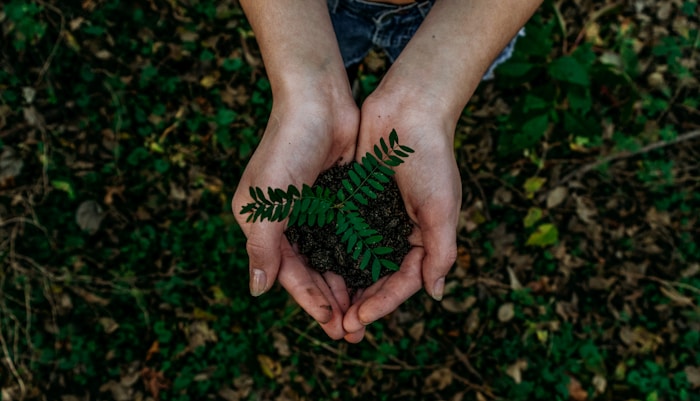
While desertification is a massive challenge, it is not irreversible. We can combat land degradation through:
- The Great Green Wall: Initiatives like Africa's Great Green Wall aim to plant an 8,000 km stretch of trees across the continent to stop the Sahara Desert from expanding.
- Sustainable Agriculture: Adopting practices like crop rotation, agroforestry, and minimal tillage helps maintain soil health and moisture.
- Water Conservation: Implementing efficient irrigation systems, like drip irrigation, and building water-harvesting structures can preserve scarce water resources.
- Managed Grazing: Rotating livestock between different pastures allows grasslands time to recover and prevents overgrazing.
- Reforestation: Planting native, drought-resistant trees and shrubs helps stabilise the soil and restore the local microclimate.
Key Facts & Figures
- An estimated 3.2 billion people are negatively impacted by land degradation worldwide.
- Every year, the world loses 24 billion tonnes of fertile topsoil.
- Restoring degraded land could deliver an estimated $1.4 trillion in global economic benefits each year.
- More than 75% of Earth's land area is already substantially degraded, and this could rise to 90% by 2050 if action is not taken.
- The UN aims to achieve "land degradation neutrality" by 2030, meaning the amount of healthy land remains stable or increases.