🌲 Forests & Ecosystems
📑 Page Contents
Why Forests Matter
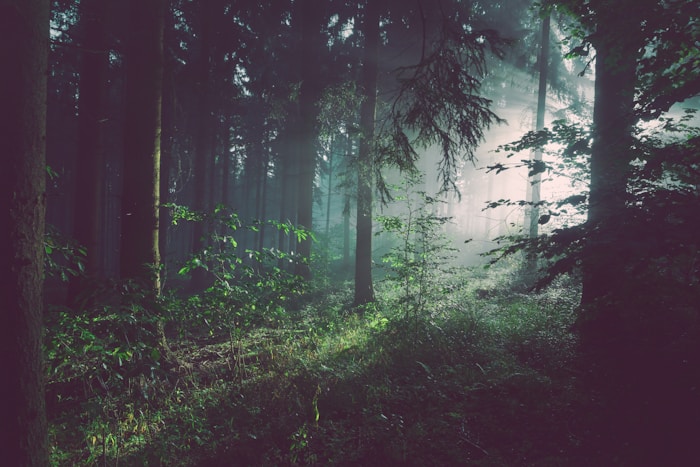
Forests are often called the "lungs of the Earth" because they absorb carbon dioxide and release oxygen. They cover about 31% of the Earth's land area and are home to more than 80% of all terrestrial species of animals, plants, and insects.
Beyond biodiversity, forests play a crucial role in regulating the water cycle, preventing soil erosion, and providing livelihoods for over 1.6 billion people worldwide. They also act as natural carbon sinks, helping to mitigate climate change by storing vast amounts of carbon in their trees and soil.
For students and local communities, forests offer recreational spaces, clean air, and resources. Understanding their importance is the first step toward protecting them for future generations.
Types of Forests
There are several major types of forests found across the globe, each with unique characteristics and ecosystems:
Tropical Rainforests
Found near the equator in countries like Brazil, Congo, and Indonesia, tropical rainforests have the highest biodiversity of any ecosystem on Earth. They receive very high rainfall and maintain warm temperatures year-round, creating perfect conditions for thousands of species to thrive.
Temperate Forests
Located in regions with moderate climates such as Europe, North America, and East Asia, temperate forests experience four distinct seasons. They contain a mix of deciduous trees that shed their leaves in autumn and some evergreen species.
Boreal Forests (Taiga)
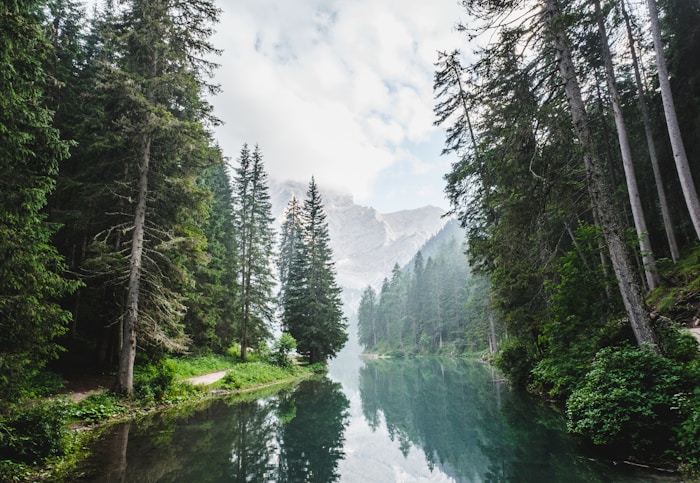
The largest land biome on Earth, stretching across northern Russia, Canada, and Scandinavia. Boreal forests are dominated by coniferous trees like spruce and pine and play a key role in storing carbon.
Mangrove Forests
Found along tropical coastlines, mangrove forests protect shores from erosion, provide nursery habitats for fish, and store large amounts of carbon. They are among the most threatened ecosystems globally.
Threats to Forests
Despite their immense importance, forests face a number of serious threats:
- Deforestation: About 10 million hectares of forest are cut down each year, mainly for agriculture, logging, and urban development.
- Wildfires: Climate change has increased the frequency and intensity of wildfires, destroying vast areas of forest and releasing stored carbon into the atmosphere.
- Illegal Logging: The illegal timber trade is worth billions and leads to uncontrolled forest destruction, particularly in tropical regions.
- Climate Change: Rising temperatures alter rainfall patterns, shift forest boundaries, and make trees more vulnerable to pests and diseases.
- Urbanisation: Expanding cities and infrastructure projects fragment forests and reduce habitat connectivity for wildlife.
What Can We Do?
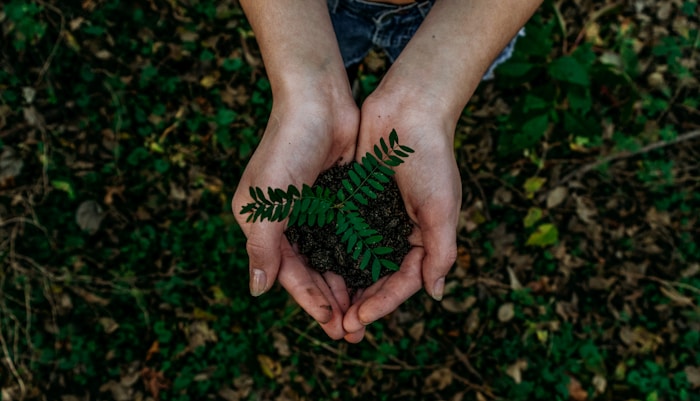
Everyone can contribute to forest conservation. Here are some practical actions:
- Plant Trees: Join tree-planting events in your community or support reforestation organisations.
- Reduce Paper Use: Go digital where possible. When you do use paper, choose recycled options.
- Buy Sustainable: Look for FSC-certified wood and paper products to ensure responsible sourcing.
- Spread Awareness: Use social media, campus events, and conversations to educate others about deforestation.
- Support Policies: Advocate for stronger environmental laws and regulations that protect forests.
- Reduce Carbon Footprint: Use public transport, reduce energy consumption, and eat less meat to lower your impact on forests.
Key Facts & Figures
- Forests cover 4.06 billion hectares, or about 31% of Earth's land area.
- An estimated 420 million hectares of forest have been lost since 1990.
- Forests absorb about 2.6 billion tonnes of CO2 annually — roughly a third of all human emissions.
- Over 80% of all terrestrial species live in forests.
- Around 1.6 billion people depend on forests for food, shelter, energy, and medicine.
- Tropical deforestation accounts for up to 10% of global greenhouse gas emissions.